
Joana Kirilova
What Is Bulgarian Rakija? A Local's Guide to Bulgaria's National Drink
What is Bulgarian rakija? A local's guide to Bulgaria's national drink - types, how it's made, how to drink it, and where to try it in Sofia.
You've seen it on every menu in Sofia. You've watched the table next to you clink tiny glasses of something clear and potent. Someone told you to try it, but you're not sure what you're getting yourself into.
Rakija is Bulgaria's national drink - and ordering it wrong is a rookie move that locals spot immediately. This guide covers everything you need to know before your first sip.

New to Sofia? Don't want to party alone?
Join the Original Sofia Pub Crawl!
Tour of the best bars in Sofia
Meet other travelers and expats
Free welcome shots in every bar
Bulgarian Rakija, Explained
Rakija (ракия in Bulgarian, sometimes spelled rakia or rakiya) is a fruit brandy made by fermenting and distilling fruit. Think of it as the Balkan cousin of Italian grappa or French eau-de-vie, but with more firepower and a lot more cultural weight.
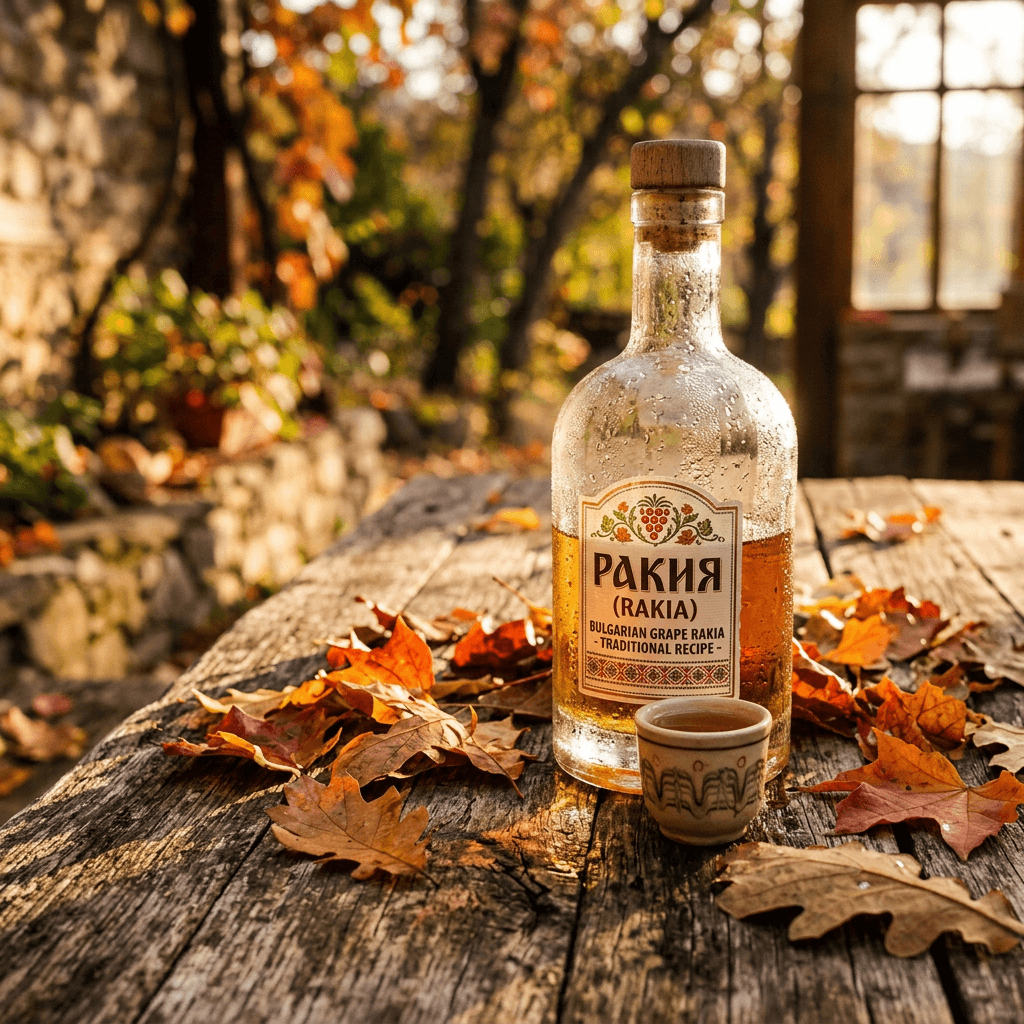
The commercially sold stuff sits at 40% ABV. Homemade rakija - the kind a Bulgarian grandmother will pour you from an unmarked bottle - often clocks in between 50% and 60%. Some village batches push past 70%. You'll know the difference.
Grape rakija (grozdova) is the most common variety in Bulgaria, followed closely by plum rakija (slivova). But Bulgarians distill just about any fruit they can get their hands on - apricots, pears, quinces, cherries, figs, even roses. Every region has its specialty, and every family thinks theirs is the best.
If you're visiting Sofia and want to experience Bulgarian drinking culture firsthand, rakija is where you start. We include it on our guided pub crawl every Friday and Saturday at 9PM - it's one of the welcome shots, and our guides walk you through how to drink it properly.
How Bulgarian Rakija Is Made
The production process is straightforward, but doing it well takes decades of experience. Bulgarian families have been passing down their rakija recipes for generations, and the autumn distillation season is treated like a holiday.
It starts with ripe fruit - usually picked late in summer when the sugar content peaks. Bulgarians are particular about this. Plums for slivova should be overripe, almost falling off the tree. The fruit gets mashed, mixed with water and sometimes a bit of sugar, then left to ferment in large barrels (called dzhibri in Bulgarian) for several weeks. The warmer the weather, the faster the fermentation.
Once fermented, the mash goes into copper stills for distillation. Most quality rakija is double-distilled. The first distillation produces a rough spirit, and the second refines it into something drinkable. The distiller has to separate the "head" and "tail" fractions from the clean middle spirit - get this wrong and the rakija tastes harsh or chemical.
From there, it's either bottled clear (the most common approach for homemade stuff) or aged in oak barrels, which gives it a golden colour and softer, more complex flavour. Barrel-aged rakija is where things get interesting for spirit enthusiasts.
Every town and village in Bulgaria has at least one communal distillery. During harvest season (August through November), locals book appointments weeks in advance to bring their barrels of fermented fruit. The distillation day itself is a social event - eating, drinking straight from the still, and comparing batches with neighbours.
Types of Bulgarian Rakija You'll See in Sofia
Not all rakija is created equal. Here's what you'll find on menus and behind bars across the city.
Grozdova (Grape Rakija)
The most popular variety in Bulgaria. Made from wine grapes - often aromatic white varieties like Muscat, Dimyat, or Misket. Clear, fruity, and relatively smooth for a 40% spirit. This is what most Bulgarians default to, and what you'll most likely be served if you just order "rakija" at a bar. If you want to explore what locals drink in Sofia, grape rakija is at the top of the list.
Slivova (Plum Rakija)
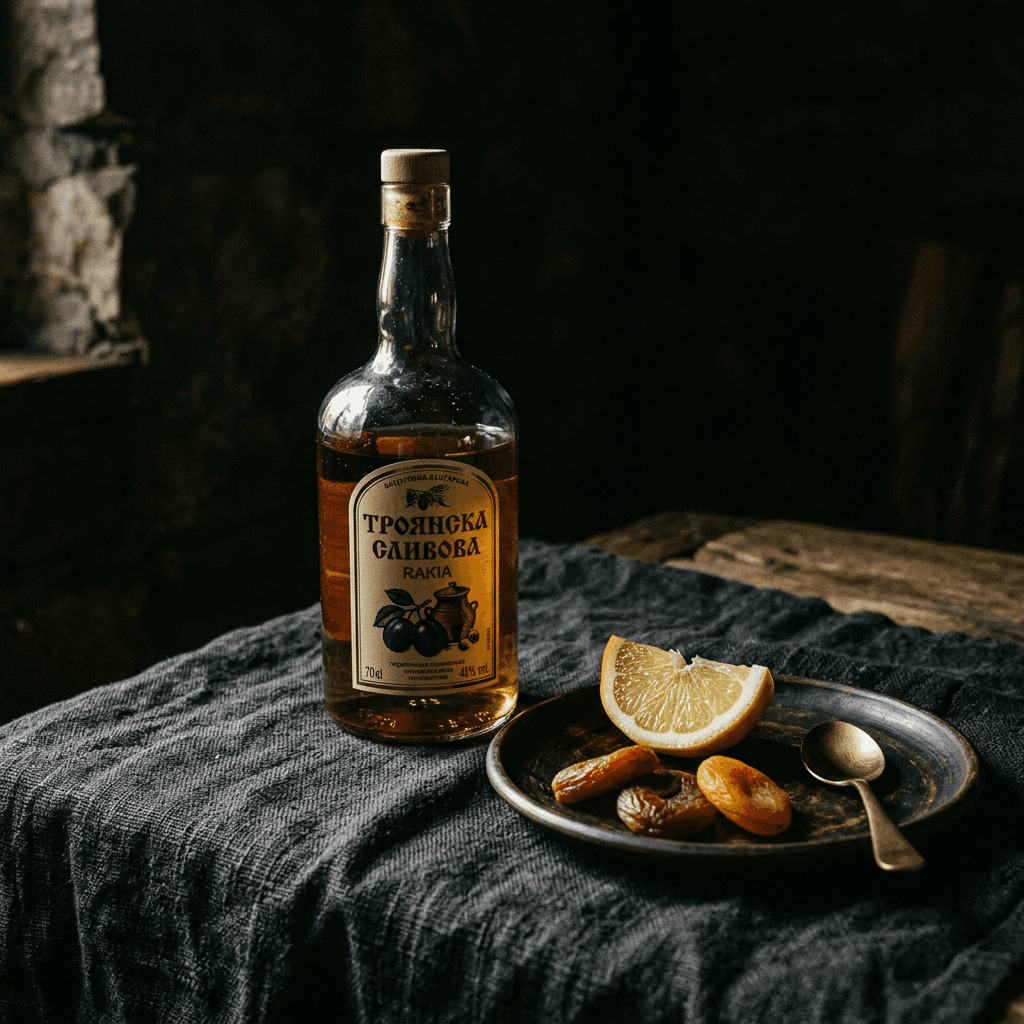
Bulgaria's second most popular variety and the one that overlaps with Serbia's famous sljivovitz. Richer and slightly sweeter than grape rakija, with a distinct stone-fruit flavour. The Troyan region in central Bulgaria is particularly known for its plum rakija.
Kaysieva (Apricot Rakija)
Harder to find, but worth seeking out. Apricot rakija has a delicate sweetness and floral quality that makes it one of the more approachable varieties for first-timers. It's smoother going down than grape or plum.
Krushova (Pear Rakija)
A Williams pear rakija (sometimes called Viljamovka) is an elegant choice. Lighter and more aromatic than plum, with a clean pear flavour that lingers. Premium bars in Sofia often stock this one.
Aged Rakija (Otlezhala)
Any fruit rakija that's spent time in oak barrels. The ageing process turns the spirit amber or golden and rounds out the harsh edges. Barrel-aged rakija tastes closer to cognac or brandy - warmer, with vanilla and caramel notes. Some premium versions are aged for 7 to 12 years. This is the stuff you sip slowly after dinner.
Flavoured Varieties
Bulgarians love to infuse rakija after distillation. Common additions include herbs, honey (medovina), walnuts (orehovitsa), sour cherries (vishnovka), mint, and anise. These tend to be sweeter and lower in alcohol than straight rakija, making them a good entry point if you're nervous about the strong stuff.
How to Drink Rakija Like a Local
This is where most tourists get it wrong. Rakija is not a shot. Repeat: rakija is not a shot.
Bulgarians sip rakija slowly from small glasses, usually alongside food. The traditional move is to order a rakija as an aperitif with your first course - typically a shopska salad (tomatoes, cucumbers, peppers, onion, and grated white cheese) or some lukanka (dry cured salami), sirene (white cheese), and pickled vegetables. This combination of sipping spirit and cold appetisers is called meze, and it's how Bulgarians have started dinner for centuries.
Before you drink, clink glasses with everyone at the table, make eye contact, and say "Nazdrave!" (наздраве) - it means "to your health." Skipping the eye contact is considered bad luck, and Bulgarians take it seriously.
The serving temperature matters too. In summer, rakija is served chilled. The ideal temperature for most varieties is between 14 and 20°C - cold enough to be refreshing, warm enough to taste the fruit. Don't ask for ice. Premium aged rakija is served at room temperature, like a good whisky.
One 50ml glass of rakija at a Sofia bar runs about 4-6 EUR. Compare that to 8-12 EUR for a cocktail at most mid-range spots, and you start to see why locals stick with the national drink. If you want to learn more about what things cost on a night out in Sofia, we've broken it all down.
Greyana Rakija - The Winter Version
Visit Sofia between November and March and you'll see greyana rakija (греяна ракия) on every menu. This is heated rakija mixed with honey, a few peppercorns, and sometimes cinnamon or cloves. Think of it as Bulgaria's answer to mulled wine, but stronger and more direct.
The traditional way to make greyana is in a small copper cezve (the same pot used for Turkish coffee). Sugar is caramelised in the bottom, then rakija is added along with honey and spices. The whole thing is heated until steaming - never boiling, which would burn off the alcohol.
On a cold Sofia evening, greyana rakija is genuinely one of the best drinks you can have. It warms you from the inside out, the honey smooths the burn, and the spices add depth that straight rakija doesn't have. Sofia's best bars all stock a version during winter months.
Popular Bulgarian Rakija Brands
If you're buying a bottle to bring home or want to know what to order at a bar, these are the names to look for.
Peshterska - The most widely distributed brand in Bulgaria. Their standard grape rakija is the go-to house pour at most restaurants. The aged (otlezhala) version, matured in oak for 6 to 12 months, has a smooth vanilla note and has won international awards. A reliable starter if you've never tried rakija.
Burgas 63 - A muscat grape rakija with a loyal following. The Special Selection version is barrel-aged for five years and drinks more like a fine brandy. One of the better choices for sipping neat.
Karnobat - Named after the town in southeastern Bulgaria. Known for consistently good quality grape rakija at a fair price. You'll see it behind most bars in Sofia.
Troyanska Slivova - The benchmark for Bulgarian plum rakija, from the Troyan region. If you want to try slivova, this is the one.
Kehlibar - Another solid grape rakija that competes with Peshterska. Good value, easy to find.
At a bar or restaurant, you can order rakija by brand or just ask for grozdova (grape) or slivova (plum). Homemade rakija (domashna) sometimes appears on menus too - it's usually stronger, rougher, and more of an adventure.
Rakija vs. Raki vs. Ouzo vs. Grappa
Tourists sometimes confuse these spirits, so here's the quick breakdown.
Bulgarian rakija is a fruit brandy - made from whole fermented fruit, then distilled. Turkish raki is an anise-flavoured spirit made from grapes - completely different flavour profile and drinking experience (raki turns milky white when you add water, rakija doesn't). Greek ouzo is similar to raki - anise-based and not related to rakija at all despite the similar name.
Italian grappa is the closest comparison. Both are distilled from grapes, but grappa is specifically made from pomace (leftover grape skins and seeds from winemaking), while Bulgarian grape rakija can be made from whole grapes or wine. The result is that rakija tends to be smoother and more fruit-forward than most grappas.
If you want to go deeper on what to drink in Bulgaria beyond rakija, there's a whole world of local wines, craft beers, and other spirits worth exploring.
Rakija in Bulgarian Culture
Rakija isn't just a drink in Bulgaria - it's woven into nearly every social ritual.
A guest arriving at a Bulgarian home will be offered a glass of rakija before they've even sat down. Refusing is considered rude. At weddings, the groom's father circulates the room with a bottle, toasting every single guest. At funerals, mourners pour a small amount of rakija onto the ground for the departed before drinking the rest.
Many Bulgarians genuinely believe that a small glass of rakija each day keeps illness away. During winter, homemade rakija mixed with honey and pepper is the go-to cold remedy. It's also used as a wound disinfectant in rural areas - Bulgarian grandmothers have been known to dab it on children's scraped knees.
The autumn rakija-making season is a major social event in villages across the country. Families harvest fruit together, bring it to the local distillery, and spend the day eating, drinking from the still, and comparing this year's batch to last year's. It's part harvest festival, part family reunion, part competition.
This drink has been part of Bulgarian life for at least 600 years. Archaeologists have found fragments of distillation equipment in Bulgaria dating back to the 11th century, and some historians argue this makes Bulgaria the original birthplace of Balkan rakija. Serbia disputes this claim, of course. The debate gets heated - usually over a glass of rakija.
Where to Try Rakija in Sofia
Every bar and restaurant in Sofia serves rakija, but some spots do it better than others. Traditional Bulgarian restaurants (mehanas) are the best places for an authentic rakija-with-meze experience. Order a shopska salad, a plate of mixed cheese and charcuterie, and a glass of grozdova - that's as Bulgarian as it gets.
For a curated tasting experience, we run a rakija and wine tasting that walks you through different varieties with a local guide who can explain the differences between grape, plum, and aged rakija. It's a good option if you want to understand the drink rather than just survive it.
You'll also try rakija on our Sofia pub crawl - we've been running it since 2014, over 1,000 crawls and counting. It's 21 EUR for four bars, a welcome beer, three welcome shots (rakija included), and free VIP club entry. Every Friday and Saturday at 9PM. Our local guides know Sofia's nightlife inside out and can point you toward the bars with the best rakija selection.
If you'd rather explore on your own, check out our guide to the best bars in Sofia - several of them specialise in Bulgarian spirits and stock rare aged bottles you won't find at chain restaurants. For a deeper dive into local beer alongside your rakija education, our Sofia beer tour covers the craft brewery scene that's been growing in the city over the last few years.
FAQ
Is rakija the same as raki?
No. Bulgarian rakija is a fruit brandy made from grapes, plums, or other fruit. Turkish raki is an anise-flavoured spirit - completely different drink. The names sound similar but the taste, production method, and ingredients are not the same.
How strong is Bulgarian rakija?
Commercial rakija sold in stores and bars is 40% ABV. Homemade rakija is typically stronger - anywhere from 50% to 65% or higher. Some village-made batches push past 70%, though quality at that strength is questionable.
Should you drink rakija as a shot?
No. Bulgarians sip rakija slowly from small glasses, usually alongside food. Throwing it back like a tequila shot is a tourist move and will earn you some looks. Take small sips, let the fruit flavour come through, and enjoy it with a shopska salad or some cheese.
What food pairs best with rakija?
The classic pairing is shopska salad - the combination of fresh vegetables and tangy white cheese is the traditional accompaniment. Lukanka (Bulgarian dry salami), sirene (white cheese), and pickled vegetables also work well. Aged rakija pairs nicely with harder cheeses and cured meats, similar to how you'd approach whisky.
Where can I buy rakija to take home?
Any supermarket in Sofia stocks bottles from Peshterska, Burgas 63, Karnobat, and other major brands. Prices range from 8-15 EUR for a standard 700ml bottle. For premium aged varieties, look for specialty shops or the duty-free at Sofia Airport. If you want a bottle of truly good stuff, ask a local for their recommendation - the best rakija in Bulgaria often isn't from a big brand.
What does Nazdrave mean?
Nazdrave (наздраве) is the Bulgarian toast, literally translating to "to your health." You say it while clinking glasses and making eye contact with everyone at the table. It's the most important Bulgarian word you'll learn on a night out - practise it before you arrive.
Can I try rakija on a pub crawl in Sofia?
Yes. We include rakija in the welcome shots on our Sofia pub crawl every Friday and Saturday. For a more in-depth experience with multiple varieties and food pairings, our rakija and wine tasting is designed specifically for that.